Bloom Network Magazine · Issue 02
the forests
& soil issue
food · forests · soil · local action · art
Bloom Network · Forests & Soil Hub · 2026
↓ scroll to begin
from the editor
If you closed Issue 01 with the seed swaps in Valle Machuca and Bozcaada, you already know how this one begins. Thirty neighbors exchanging Creole varieties adapted to local rain. A suitcase of heirlooms traveling Turkish gatherings. You arrived holding a seed.
Food is the most intimate relationship between humans and land. Growing it together - not for a corporation, not for export, not as a commodity - is a different kind of economy. Across this issue you'll meet people practicing that where they live, including our featured Local Bloom in Uganda, twenty years into proving what bioregional well-being can look like on the ground.
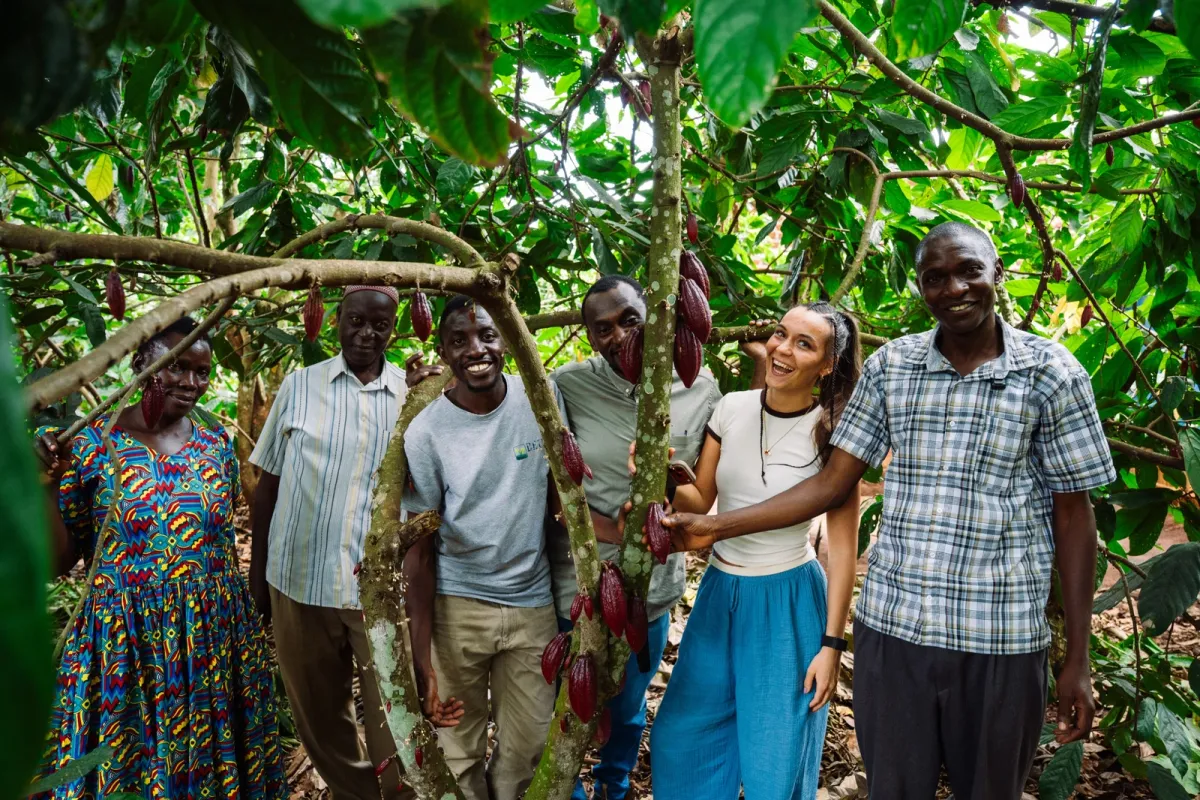
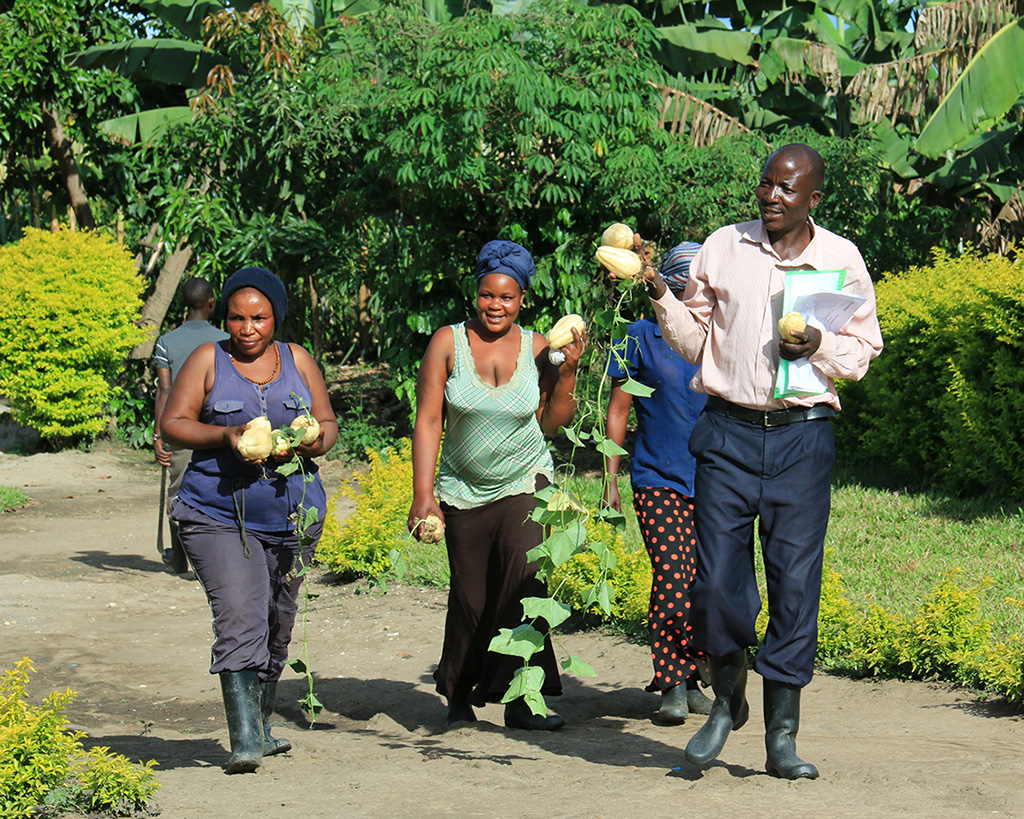
In one of my first medicine experiences with a certain plant, the plant was showing me how powerful media technology is in programming human behavior. One of the images she showed me was how images of starving children in Africa reinforces US aid dependency dynamics. The reason we chose the cover image for this issue is it shows the opposite of that - African food and economic sovereignty. The feature article in this issue is about the work of the first Ugandan Bloom chapter, anchored by Broadfield Enterprises Uganda. It shows one of the strongest examples in our global network of how communities are taking charge of their local economic reality, and leading the way with transforming supply chains to be rooted in bioregional well-being.
Find the thread that speaks to you, and follow it. This time, it grows.
- Magenta, CEO, Bloom Network
what's inside
A journey from the state of forests and soil to what you can do about it today, with art woven throughout.
- 01
The State of Forests & Soil
You came from the ground. Forests and soil as living systems, and why cooperation is the pattern that scales.
- 02
People growing roots
Forests & Soil hub launch speakers, plus a featured Local Bloom field report.
- 03
Shrooms FTW
Grown, not made. Fungi as community practice, ecology, design platform, food, medicine, and economy.
- 04
The artists
Placeholder: art, poetry, and music woven through the issue.
- 05
Act from where you are
Crop swaps and harvest clubs, a food forest, a food-community short, and your local fungi scene.
01
The State of Forests & Soil
State of the Soil
You came from the ground.
We've been taught to think of forests as scenery and soil as dirt - the backdrop to the real action, something to drive past or dig through on the way to building something. But the forest is not behind you. It is inside you. Every cell in your body was assembled from food that grew in soil. The minerals in your bones were once rock, broken down over millennia by fungi and rain. The oxygen in your lungs right now was made by trees. You are not separate from the forest and soil system. You are a temporary expression of it.
Both forests and soil are communities. Growing food works best when done in community too. Across this issue you'll see where human connections follow the same logic, between people, between projects, between what one person knows and what another needs to learn… through Bloom's living network and the real communities on the ground.
It all begins underground. The soil itself is not inert. It is a living system of extraordinary complexity. A single teaspoon of healthy forest soil contains more organisms than there are people on Earth. Microbial communities communicate, adapt, build structure, hold water, and exchange nutrients through networks that look, at scale, remarkably like the internet. They cooperate. Bacteria that thrive in compacted, oxygen-poor ground break up clay and release minerals that feed everything above them. They build biofilm, a living membrane that allows a colony to protect itself and bring in what it needs from outside. The bottom line, from the microscopic to the canopy, is not competition. It is cooperation. That is in the soil. It is also in us.
Industrial agriculture has spent a century simplifying it - removing the complexity, the edges, the layers, the fungi, the bacteria - and replacing what those living systems did for free with chemical inputs that deplete further and run off into the watersheds we talked about in Issue 01. The soil crisis and the water crisis are the same crisis viewed from different angles.
Bloom members around the world have been working on this for over two decades - growing food in community, building cooperatives, practicing permaculture, restoring soil in neighborhoods where nobody expected a forest garden to take root. The knowledge is here. People learning from nature and from one another, across 18 countries, sharing what works so others can go farther faster. That is what this issue documents.
The people you'll meet learned to stop managing and start listening. To the oaks and the mycelium. To the bacteria in compacted clay that already knew what to do. The only question is whether we're quiet enough to hear it, and whether, once we hear it, we do something where we live. Joy and wonder await you.
02
People growing roots
Why Forests & Soil
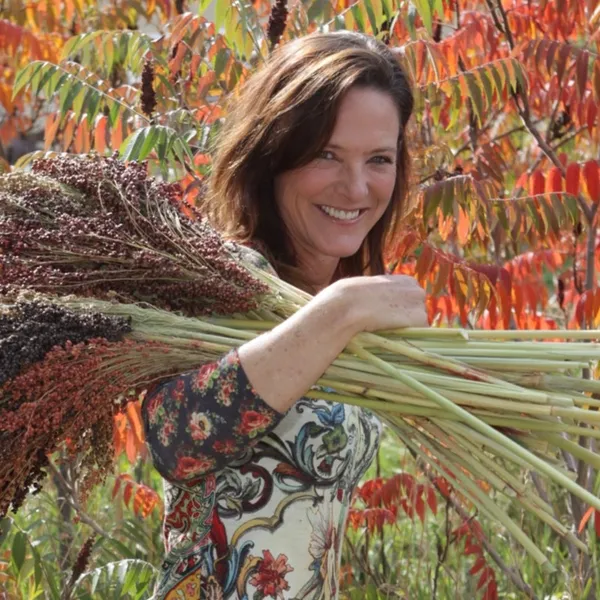
Tina Trout named this hub. When Bloom decided to create a theme around food systems, it was Tina who said the frame shouldn't be farms and gardens. Those concepts carry with them the colonial logic of enclosure, fencing, and monocrop thinking. Forests and soil put us inside an ecosystem instead of managing a production system. That naming stuck, and it became the door into everything that follows.
In her conversation with Magenta, Tina explored what natural farming, an indigenous-based teaching rooted in Korean and Japanese traditions, has to teach us about observation and relationship. A forest is almost entirely edge - where canopy meets sky, where roots meet soil, where shade meets light. That is where life concentrates, and a monoculture farm has almost none of it. The edges are where the richness is.
Bloom asked Tina what microbes can teach about civilization. She said certain bacteria thrive in compacted, oxygen-poor soil where most organisms can't survive. They break up clay and release the minerals locked inside it. They build biofilm, the living membrane that allows a bacterial colony to communicate, cooperate, and bring in nutrients from outside itself. That biofilm is also what makes soil able to hold water. The pattern that scales is not survival of the fittest, but cooperation as the fundamental logic of living systems.
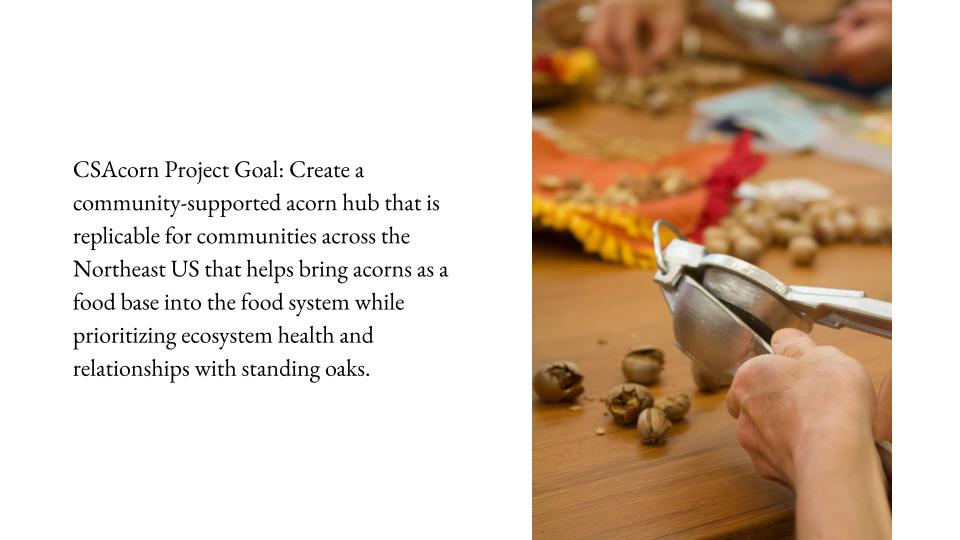
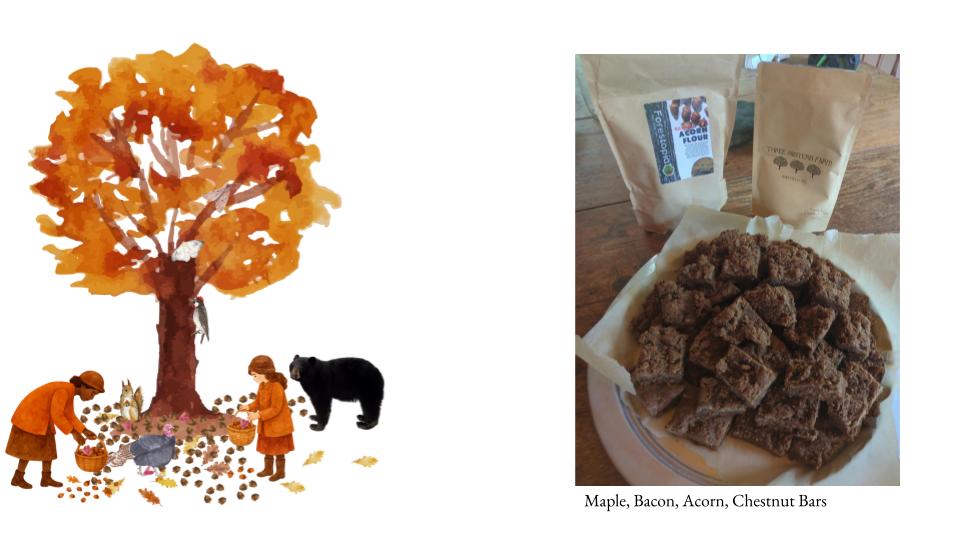
CSAcorn: Bringing Acorns Back into the Food System
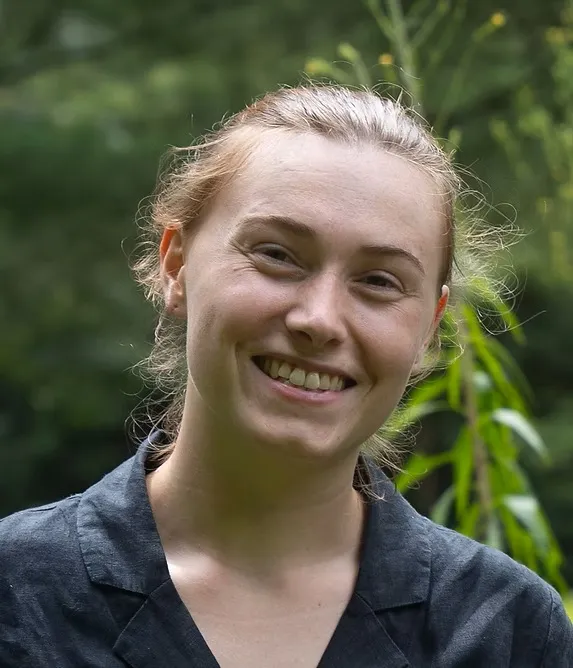
Keetu Winter works across the Northeast Woodlands bioregion from the Connecticut River watershed. She came to the Forests & Soil hub launch with an assignment she says came from the oak trees themselves. The CS Acorn project is a community-supported acorn processing hub launched in July 2025 with a USDA grant. It's an attempt to bring one of the most abundant, nutritious, and ecologically significant crops in the Northeast back into the food system, while building relationships with the standing oaks that are already there.
Acorns don't fit the industrial food system. That, Keetu argues, is exactly the opportunity. Crops that the industrial system has overlooked are already here, already abundant, requiring no new land, no new inputs. They only need new relationships and new processing infrastructure. The CS Acorn model is designed to be replicable: once the pilot proves the model, other communities can build their own hubs around whatever their landscape is already offering.
Her talk is also about the practice of listening that precedes any act of food cultivation, similar to what Tina describes. Go outside with no agenda. Notice what is happening, and understand what a place needs before deciding what to do with it. The oaks already know. Our work is learning to ask.
Growing with Mycelium: From Agricultural Waste to Materials Platform

Andy Cartier is a sustainable designer who has spent seven years growing objects with mycelium, the root system underneath mushrooms. In nature it's the degrading agent that breaks dead matter down into components that feed new life. He calls it the personification of circularity in nature. His design studio started as experimental research and has grown into a materials platform, working with waste streams from Dutch greenhouse agriculture, carbon fibre recycling for Airbus, and most recently the vast agricultural waste streams of the Middle East.
His talk covers the full arc of his journey. From the first mycelium surfboard (now commercially available in France, and price-competitive with conventional boards), to a bio-based emergency shelter for Palestine built 95% from pantry waste. He's also built acoustic panels, exhibition shelters, and furniture. Now in Dubai, one of the last places on earth where almost everything is imported and almost everything becomes waste, he is building the first materials platform using only local waste from the region. Date palm prunings alone generate half a million tonnes annually. One of the themes we've found across Bloom in materials innovation is utilizing similar waste streams, and a desire by more local communities to learn how to, to create value-added products they can financially benefit from.
The hardest problem was surprising - the tests used to certify materials for water resistance, durability, and biodegradability were designed for plastics and synthetics. Natural materials fail tests that were never built for them. For example, literally "does it not biodegrade." Before we can change what we build, he argues, we need to change how we measure.
03
Shrooms FTW
Grown, not made. The fungal kingdom as community practice, ecology, design platform, food, medicine, and economy.
Section opener
Grown, not made
Mushrooms as material, as food, as community, as metaphor for how life actually works: networks, not hierarchies. That is the animating idea of this section. If you read Issue 01, you already met Andy Cartier growing surfboards and skate decks from mycelium, and Magical Mushroom Company turning agricultural waste into packaging. His hub talk lives in People above; here we stay with the wider fungal culture: festivals, foraging, materials, and trade.
Andy Cartier · People · Andy on Bloom · Magical Mushroom Company · Issue 01 materials
Baltimore · Organizing
Mushroom City Art Festival
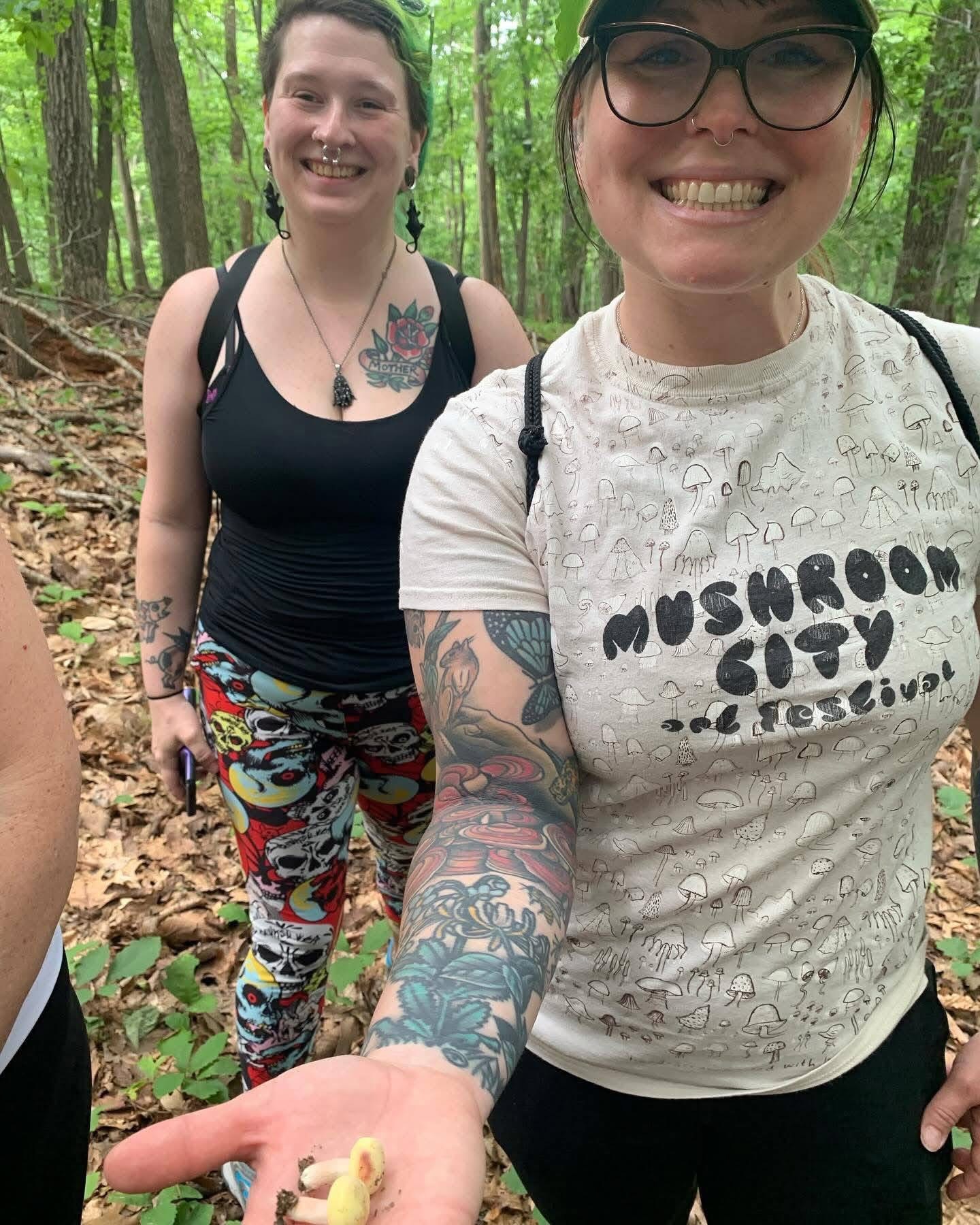
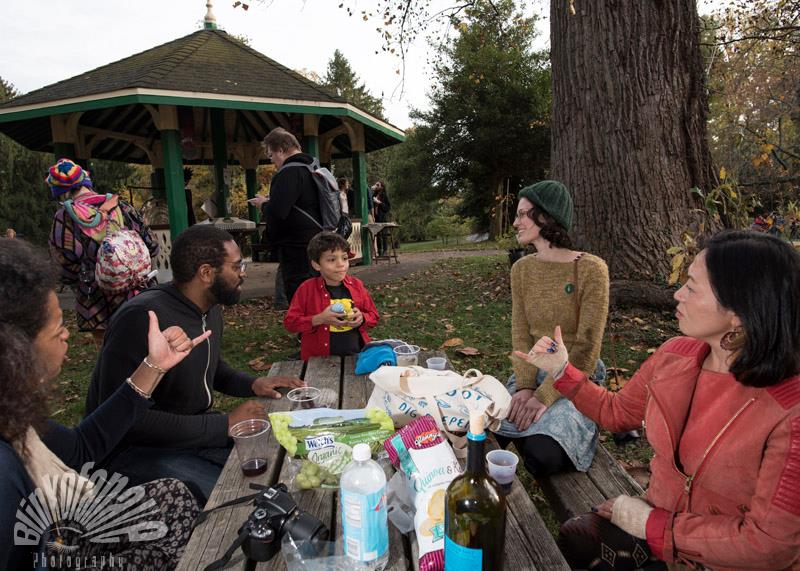
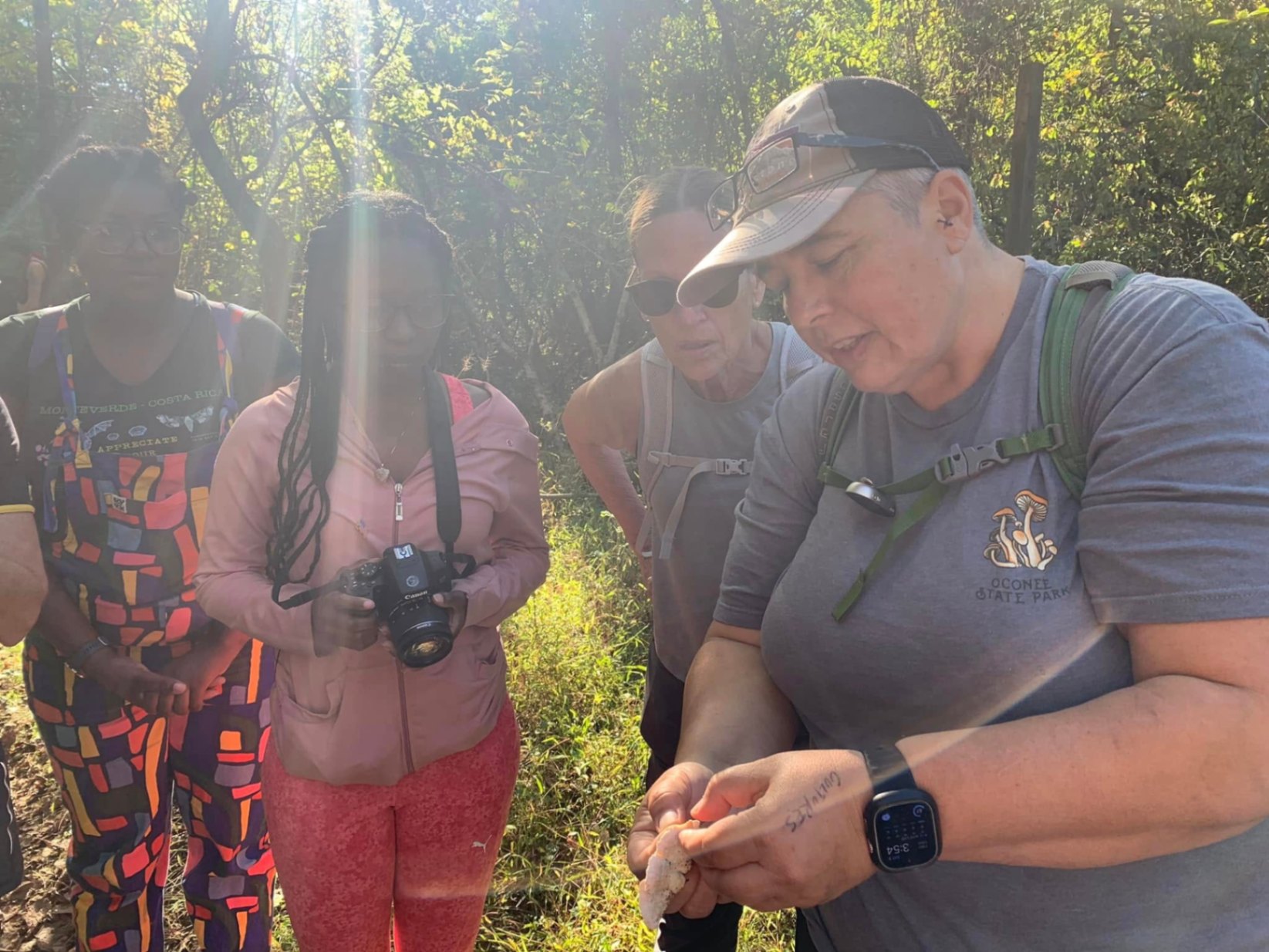
In Issue 01, Robin Gunkel arrived as a poet: Yew in a Dewdrop. Here she arrives as an organizer. Mushroom City Art Festival is Baltimore's mycelial public square: art, ID walks, forays, crankie-making, markets, and the soft skill of getting strangers to share a trail and a microscope. It started as a way to make fungi culture visible and welcoming. It works because it stays local, seasonal, and replicable: a chapter-shaped event more than a brand tour.
Other Bloom chapters can steal the pattern. Host a foray. Pair artists with foragers. Put a market table next to an ID table. Teach one grandmother mycelium craft and let the kids run the next station. The festival is proof that "mushroom scene" is something you grow in public, not something you gatekeep in a Facebook group.
Mushroom City Art Festival 2025 · Spring & Summer Forays · MCAF Summer Mushroom ID Walk · Grandmother Mycelium Crankie Making
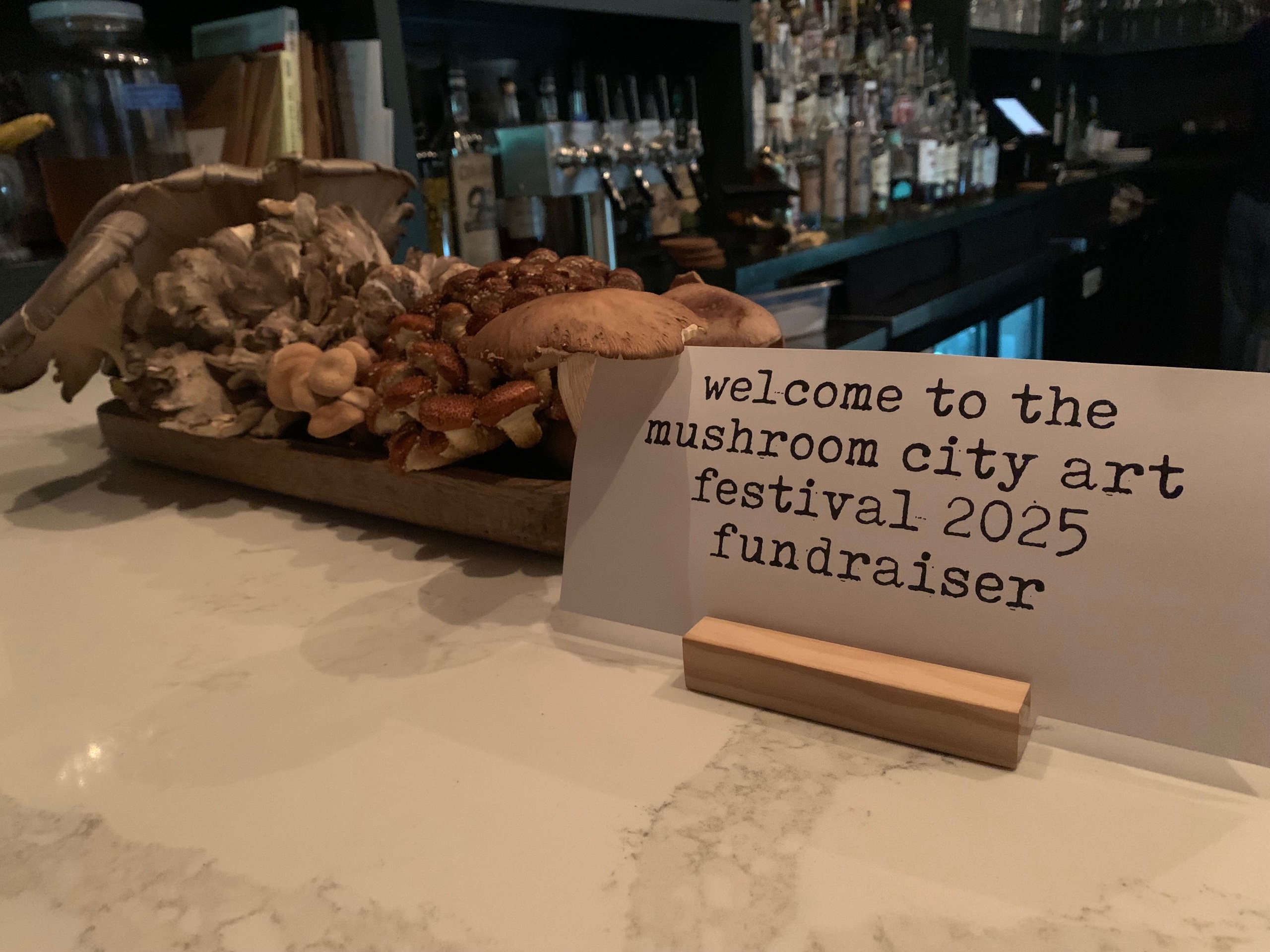
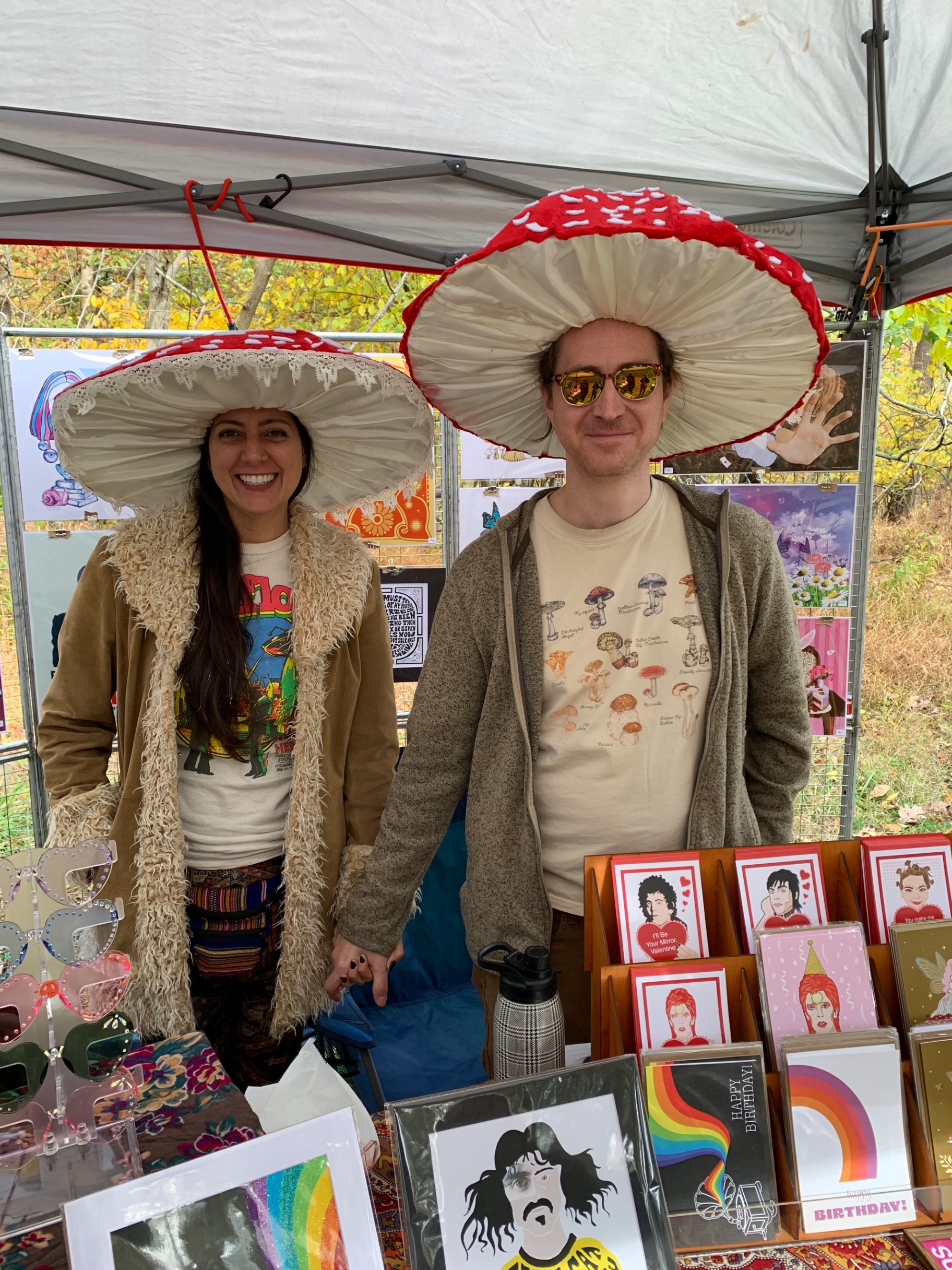
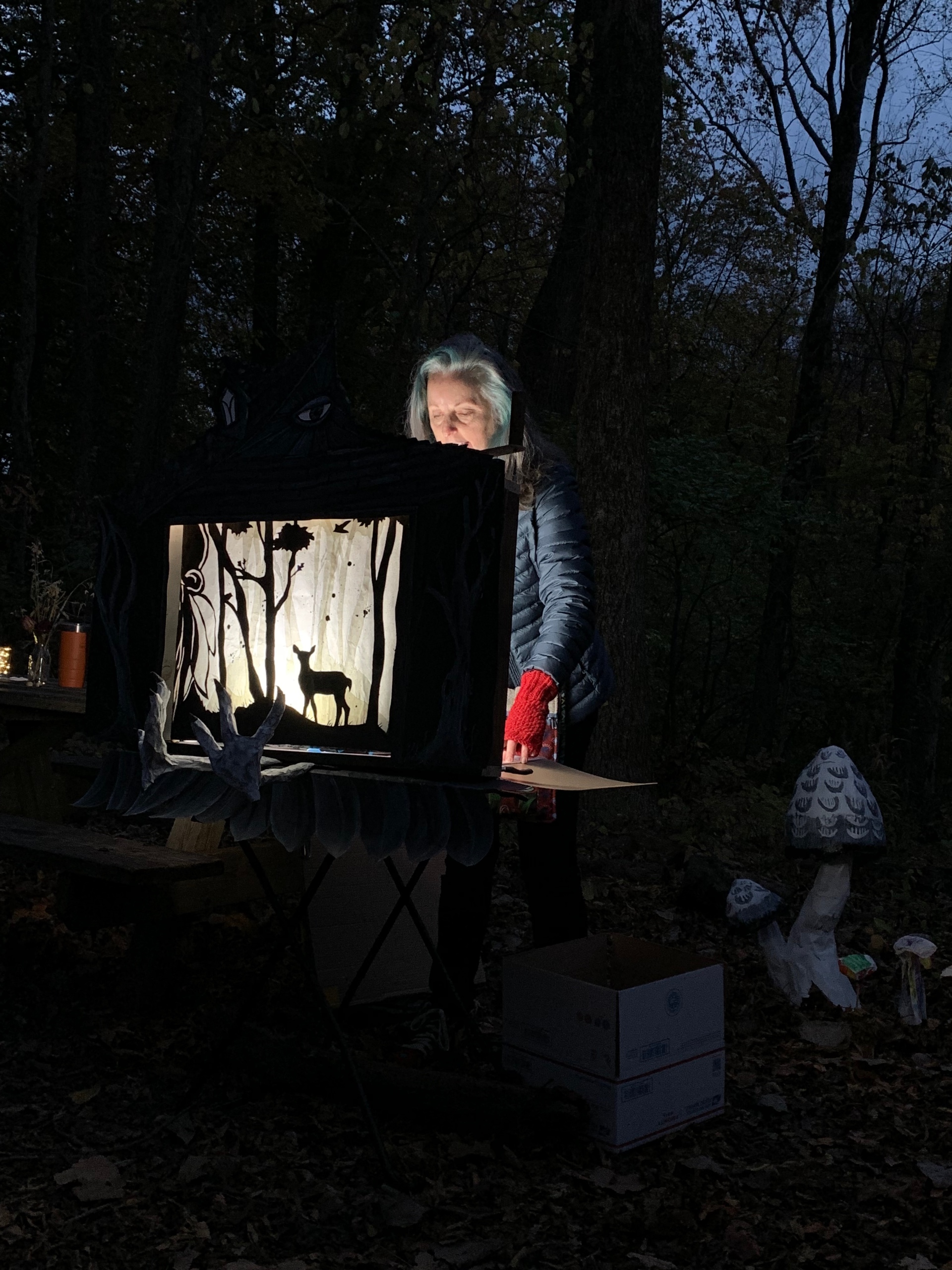
Mini guide
How to find the mushrooms community where you live
Warm, inclusive, zero gatekeeping. Fungi culture is already near you. Here is how to plug in.
Foraging instructors and guided walks
Search local mycological societies, park systems, and university extension calendars. Look for walks that teach ID ethics (spores, habitat, leave enough behind) before they teach dinner.
Home grow suppliers
Favor above-board spore and culture suppliers who list region, species, and growing parameters clearly. Start with oyster and lion's mane kits if you are new; graduate to grain spawn when your kitchen compost can keep up.
Fungi clubs, festivals, and gatherings
City mushroom markets, art festivals, and seasonal forays are the on-ramps. If nothing exists yet, a single public ID table at a farmers market is enough to start the mycelium.
The Bloom mycelium community
Find growers, organizers, and materials people on Bloom under Forests & Soil, then follow tags and posts from chapters already hosting walks and workshops.
Mycelium Workshop · Decriminalize Nature Rally report · Forests & Soil Hub
Editorial
Mycelium as a material platform
For something like 500 million years, mycelium has been running the internet of the forest: trading sugars for minerals, stitching roots into a commons, recycling the dead into the next meal. Designers are finally asking that alien intelligence to make the stuff we keep putting between ourselves and the world. Surfboards. Packaging. Leather. Walls.
Andy Cartier's boards (Issue 01 and this issue) are the tactile proof. Magical Mushroom Company's packaging, also in Issue 01, is the logistics proof: agricultural by-products grown into foam replacements that can compete on cost. Around them, a wider platform is forming: mycelium leather and textiles; insulation and acoustic panels; bricks and construction components that want to be composted, not landfilled.
None of this is sci-fi garnish. It is a supply-chain argument with dirt under its nails. If the object under your feet, around your food, or inside your wall can return to soil, the ocean and the landfill both get quieter. Grown, not made, is not a slogan for a boutique studio. It is an industrial invitation hiding in a mushroom.
Bloom Marketplace · Soft launch
Mushroom goods preview
A soft launch of the mushroom goods lane on Bloom's marketplace: what exists now, and what is coming. Leather and textiles. Vetted spore suppliers by region. Mycelium insulation and acoustic panels. Home grow kits and supplies. If you make or sell any of this, this issue is your cue to list it.
- Mushroom leather and textile goods
- Spore suppliers (vetted, above-board, by region)
- Mycelium building materials: insulation, acoustic panels
- Home grow kits and supplies
Bloom Marketplace · category page TBD
Featured Local Bloom Chapter: Jinja, Uganda
Owning Our Own Supply Chains
How Broadfield Enterprises Uganda is building a path from soil to sip that farmers, schools, and Bloom members can share in.
A cup of coffee
Start with the cup. Someone reading this is probably holding one right now, or they were an hour ago. They probably do not know where it came from: which country, which farm, whose hands picked it. Most coffee moves through a chain built so that question stays unanswered. People at the start get paid last and least. People at the end take the margin.
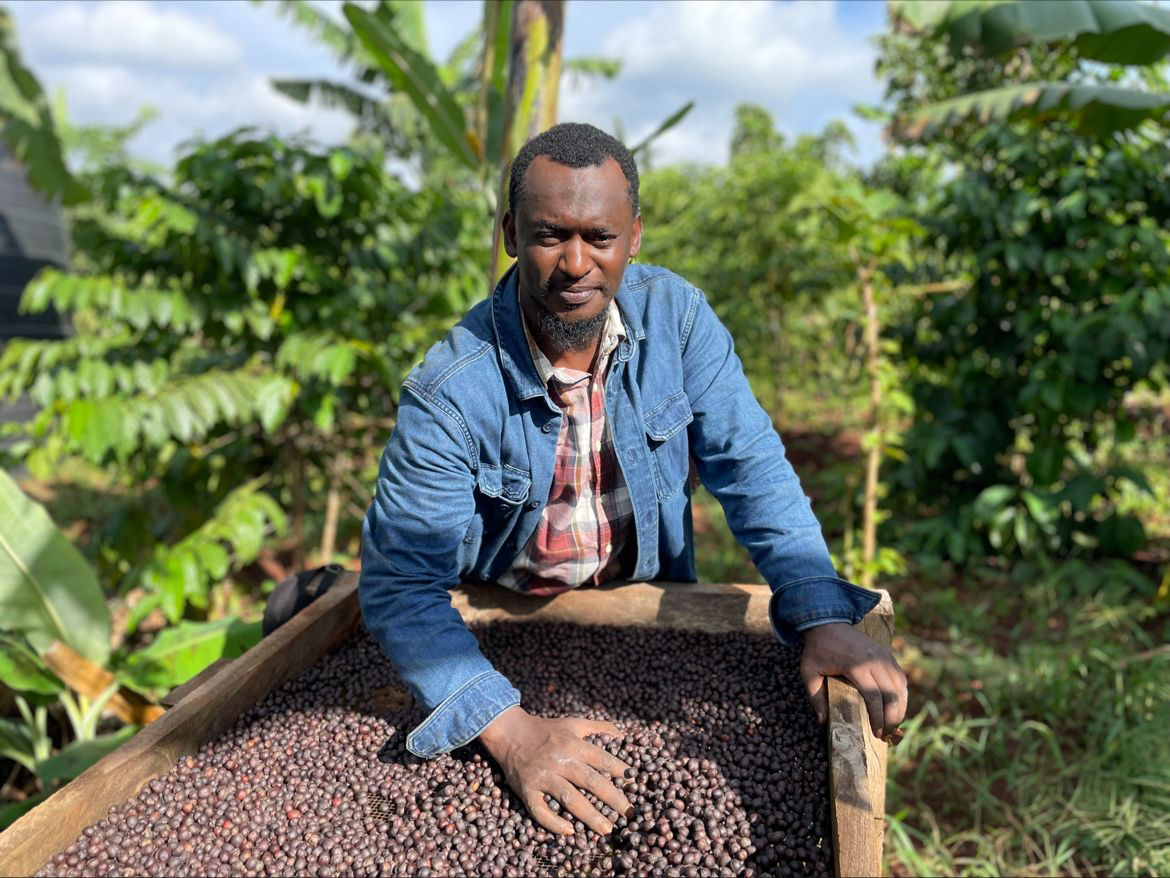
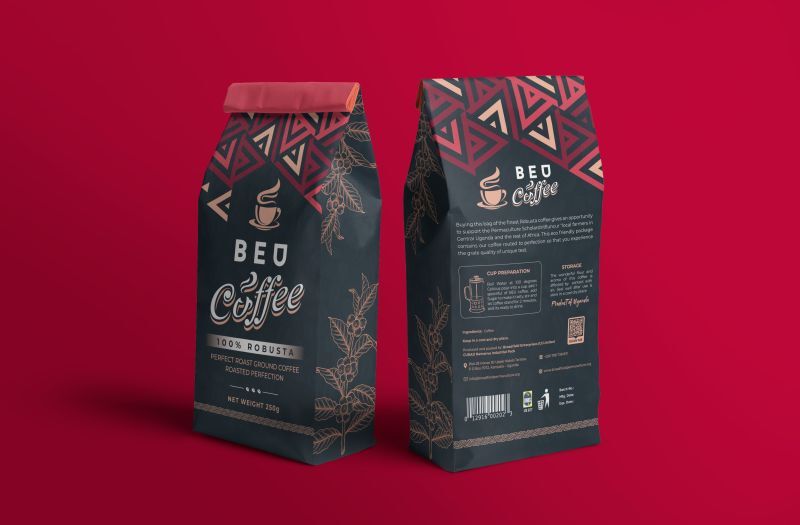
The cup could be different. BEU x Bloom Coffee is grown on permaculture farms in Uganda, roasted in Kansas City for the US, and moved through Circular Permaculture Trade in Germany for Europe, with profits returning to farming and schools . Every link visible. Every link held by someone with a stake.
That took decades of organizing. Not a slogan. Infrastructure.
Train. Organize. Co-own the trade.
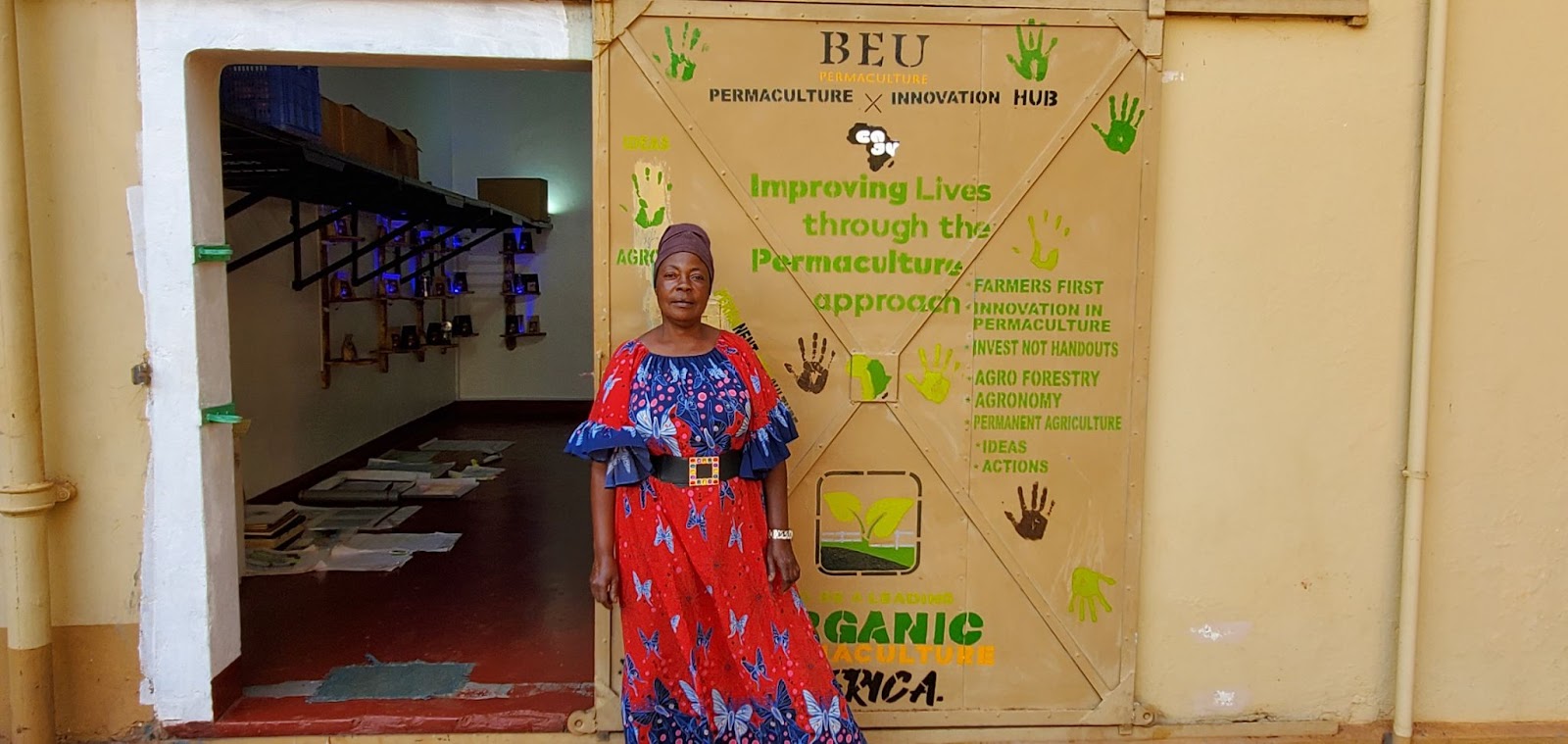
People call Broadfield Enterprises Uganda a permaculture farm. Fair enough, and incomplete. The core work is organizing: train smallholders in permaculture (zero chemical inputs, zero waste, working with the land), help them form cooperatives, then connect those co-ops to shared processing, shared distribution, and trade they co-own. Closer to Mondragon than to a demo plot.
Sanje EcoGrowers in Kyotera started with thirty pioneers after BEU training in 2019. Neighbors trained neighbors. Now 240 members run savings groups and a school feeding program for three hundred pupils a day. Buwenge Cocoa in Jinja is newer: growers who had been alone stepped into structured trade together. BEU helped start these. The farmers run them.
"It's not just about coffee. It's about who owns the means of thriving." - BEU x Bloom Campaign
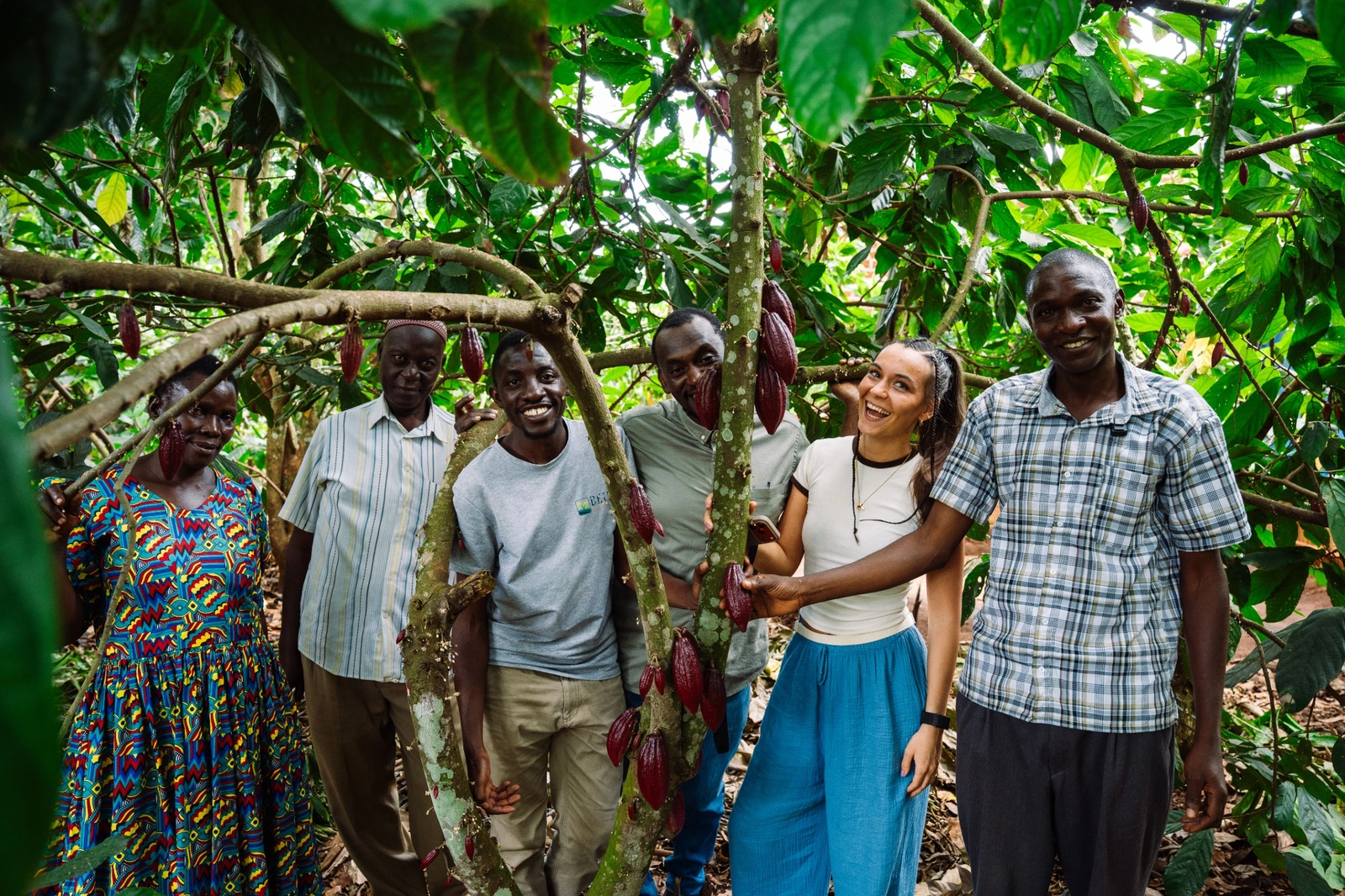
The school sells what it grows
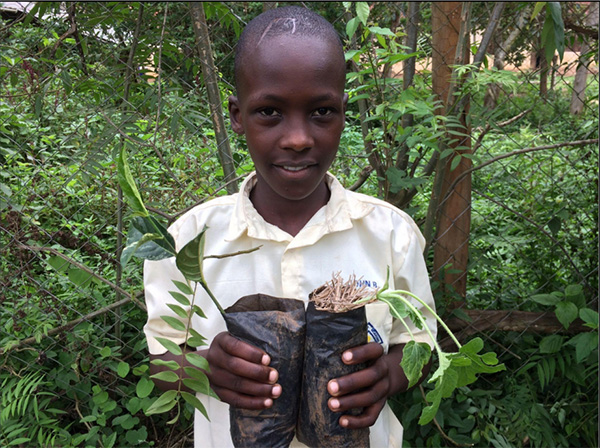
In Kamuli, schools are organizing as cooperatives. On yards and roadsides, students grow vanilla, cacao, coffee, mango, pineapple, jackfruit. They harvest, process, sell. Profit comes back to the school. Sabina's permaculture feeding program puts that on the plate: food for three hundred pupils a day from a small economy inside the school, not a charity garden bolted on.
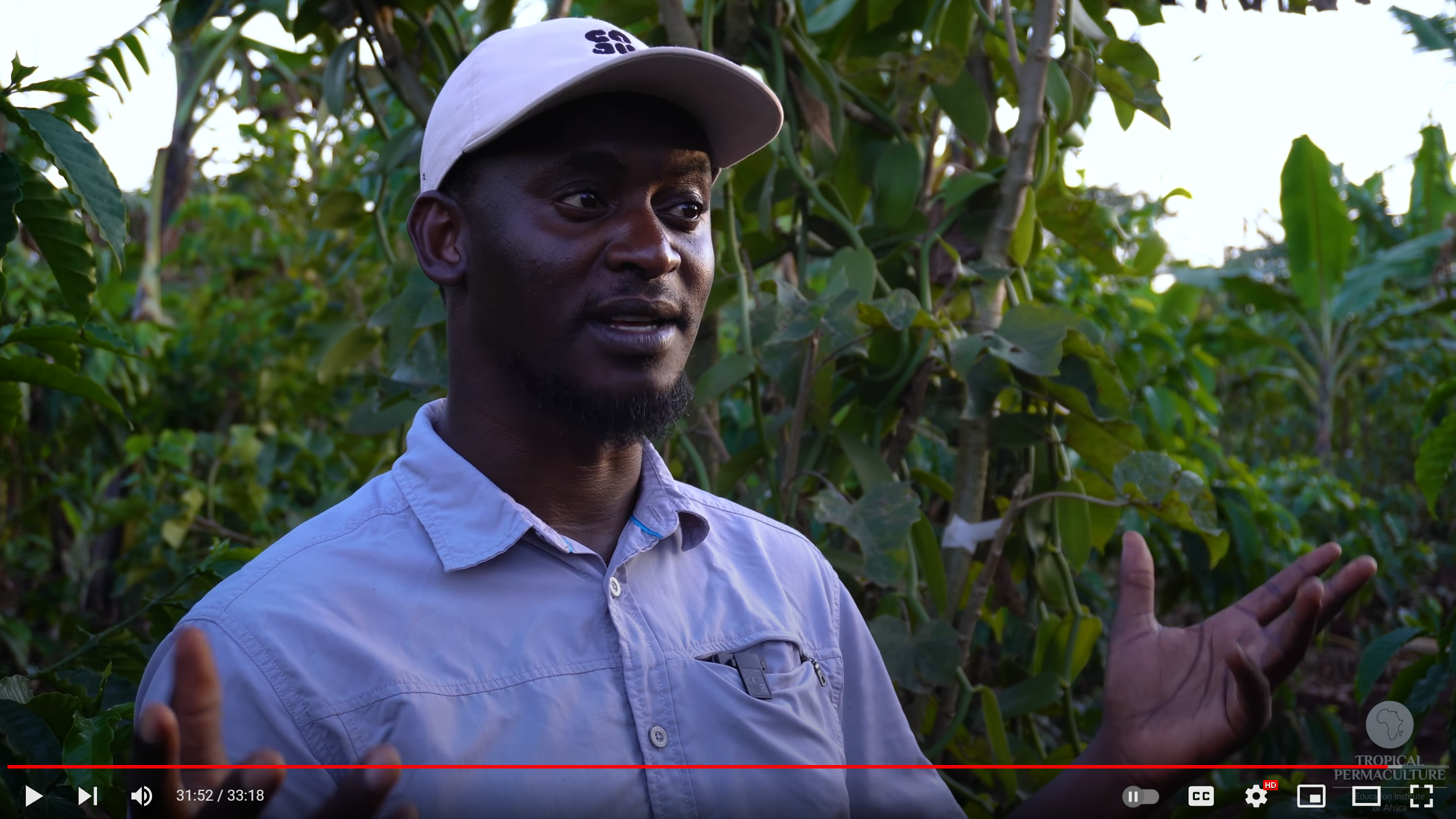
Charles Mugarura, BEU's founder, built a demonstration farm because people did not believe commercial permaculture could work. Walk it, taste it, do the math. Pioneers trained neighbors; trainers walked into classrooms. By the time the Ministry put permaculture in the lower secondary curriculum, teachers across the country already knew how to teach it.
A student reading soil is also reading a market. A school that sells what it grows is already inside the same story as the cup in your hand.
Join the chain
Uganda cooperatives → Kansas City roast (US) / Circular Permaculture Trade in Germany (EU) → Bloom hubs that want to stock it. The chain was built to be shared, not opaque.
BEU joined Bloom looking for partners who stay when the relationship asks for patience, not only when it prints profit. BEU x Bloom Coffee is early revenue from a supply chain chapters can share in. It will not be the last. Ahead: the Tropical Permaculture Education Institute of Africa, so other communities can build what Uganda has already proven.
Buy the coffee. Own the supply chain.
Draft from BEU x Bloom campaign notes and chapter posts · awaiting Charles Mugarura interview · Uganda Jinja on Bloom
04
The artists
Art & design
Gallery
Placeholder for art spreads and gallery grids.
Poetry
Poem title
Placeholder poem.
Music
Soundtrack
Placeholder music section. Wire musicVideos when ready.
05
Act from where you are
Long Beach Fresh · Tony Damico
Start with the surplus
Want to meet rad people by building community around food? Tony's got you covered.
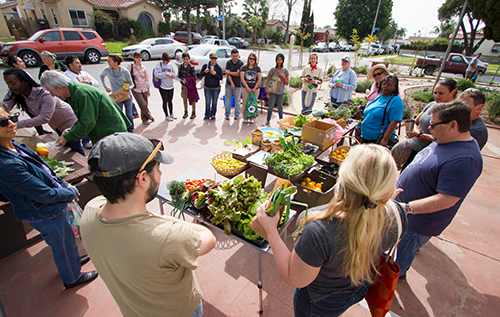
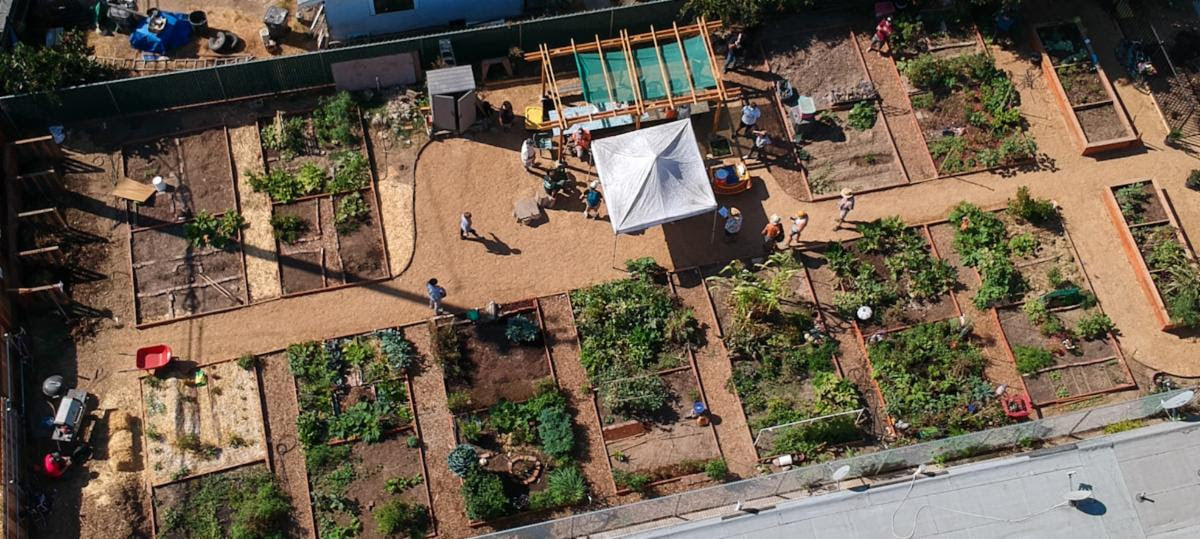
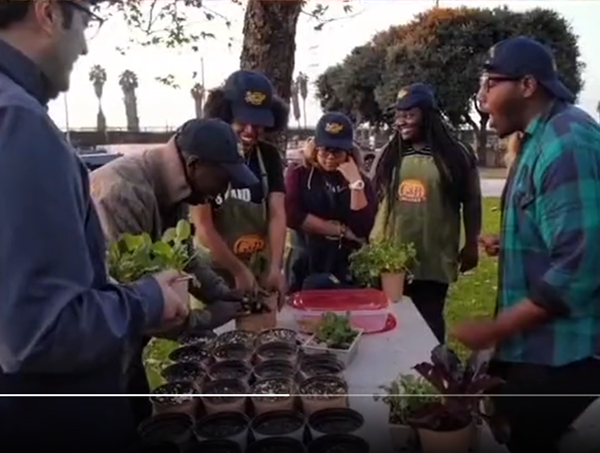
These "how to" templates are from Long Beach Fresh, an amazing food community in California. You can start any of these in a churchyard, schoolyard, someone's yard who gives you access, or even a vacant lot! (You can often contact your city and ask permission to do that.)
Claim a patch of neglected ground, or bring together the gardeners around you, and watch magic start to happen. When people start to connect around food, they learn about each other's stories, they learn about food sovereignty, and from there,
Tony breaks it down and makes it hella easy to start.
Find your mushrooms community
Foraging walks, home grow suppliers, clubs, festivals. If Shrooms FTW made you hungry for people, start here. You do not need a yard. You need a calendar and one public table.
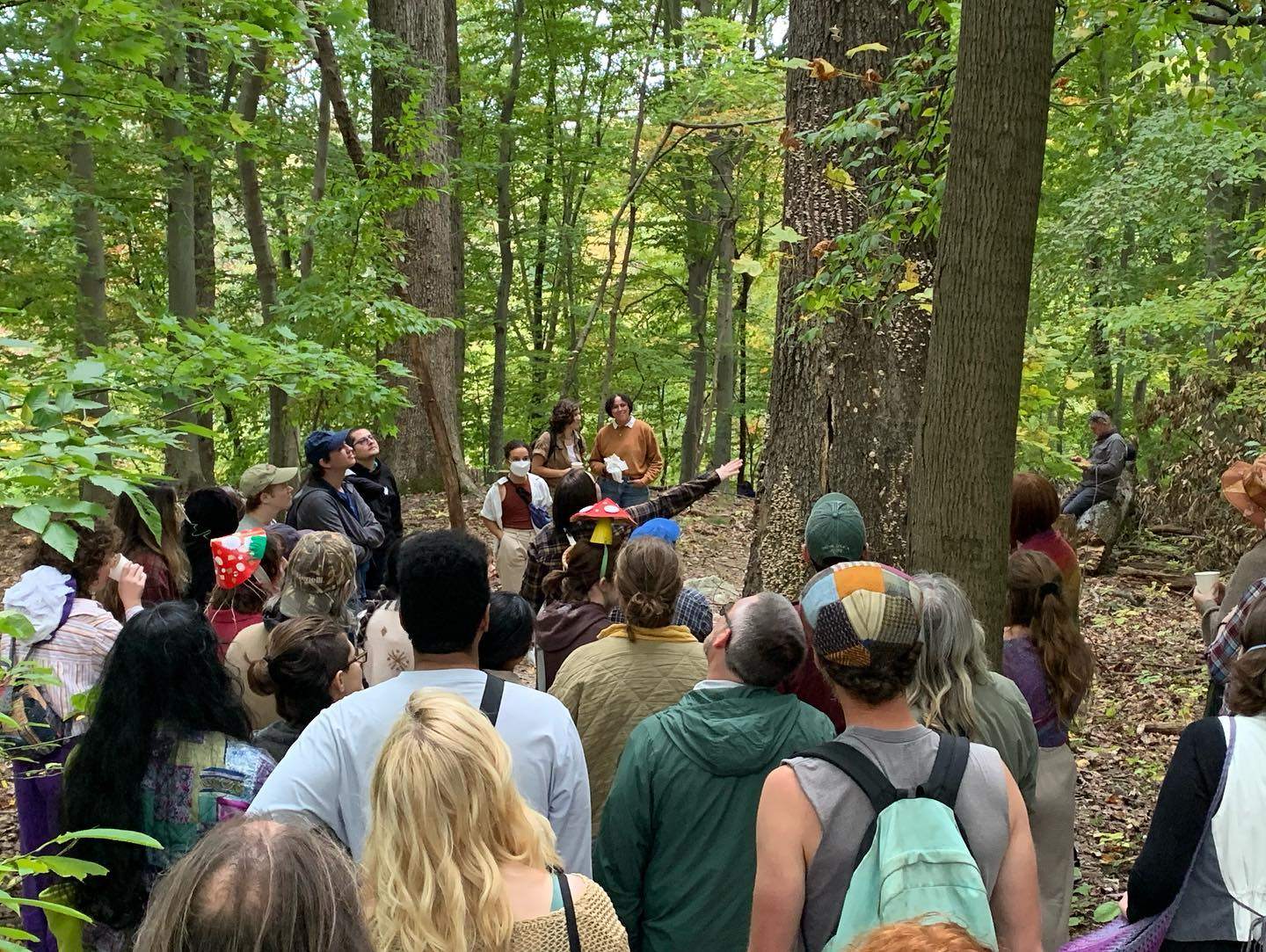
Mini guide in this issue · Mycelium Workshop · Mushroom City Art Festival
Start a neighborhood bulk buy
Buy direct from a local farmer to lower food bills, meet the other moms in your neighborhood. Everyone wins.
Soil under your feet. Neighbors in reach. Start with what is already growing.